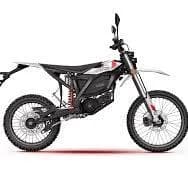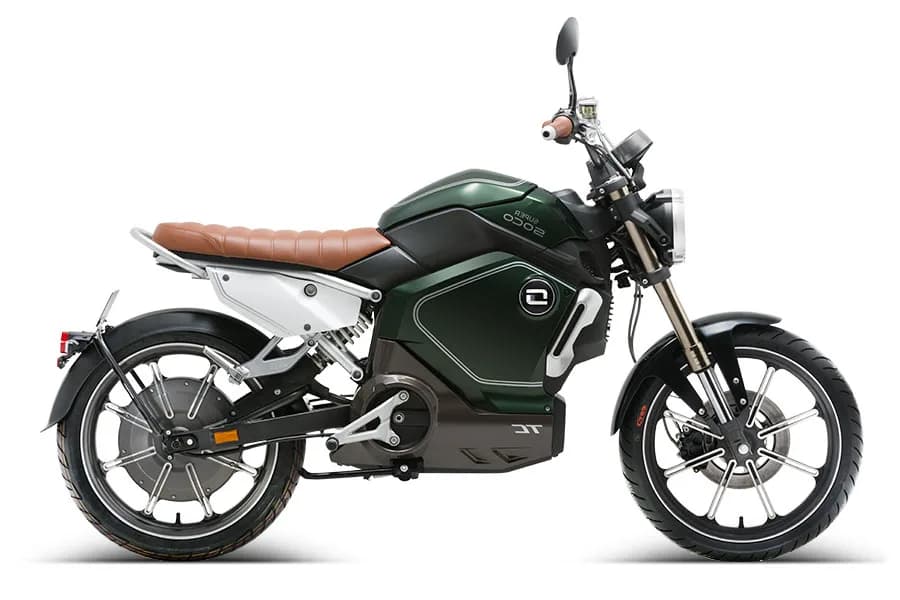
For Sale : e-Motorbikes Super Soco - 90km Range, 95km/h Max, 2800KM Travelled
$6,800Negotiable
Selleri
Types of seller
The seller's type decides what you can expect.
- Private – an individual selling their own item, such as a bike or scooter they no longer need. No ABN is required. Private sales usually do not come with the consumer guarantees a business must give, so inspect the item and its paperwork carefully before you pay.
- Sole Trader – one person trading under their own name, with no company, who sells regularly or for profit. Their ABN is shown with a badge from the Australian Business Register, but never their personal name. Australian Consumer Law guarantees still apply, because they are selling in trade.
- Business, Dealer or Broker – a registered business or company, such as a shop, hire company, dealer, broker or service provider. A valid ABN and company name are required and shown on the ad, with a badge from the Australian Business Register. Buying from a business gives you Australian Consumer Law guarantees (acceptable quality, fit for purpose, matches the description).
- Importer or Distributor – brings items into Australia to sell, or supplies them to others to sell. They cannot post as Private. A valid ABN, company name, compliance or approval reference and a warranty and recall contact are required and shown on the ad. Under the Australian Consumer Law an importer is treated as the manufacturer.
Where there is an ABN badge, it only shows the ABN is active. eRideList does not verify sellers, so you are fully responsible for checking the ABN against the business name yourself on ABN Lookup.
i
Member tag
- Each member's fixed ID.
- Names can repeat, so check the tag matches before you pay or meet.
Freo E-Cruisers Carlingford
i
Reviews
- Ratings from members who dealt with this seller.
- Their own opinions, not checked by us.
i
Shop
- All this seller's live ads, details and reviews in one place.
Descriptioni
Description
- Written by the seller, not checked by us.
- Check it against the item before you buy.
i
Description
- Written by the seller, not checked by us.
- Check it against the item before you buy.
Used Super Soco e‑motorbike. 90 km battery range, top speed 95 km/h, 2800 km travelled. 2023 model, 48 V battery, 1.2 kW motor. In good condition, no major wear. No major repairs or replacements needed. Battery still holds [battery health]%. Front and rear suspension in good shape. Brakes are working. 5‑speed automatic transmission. 2‑door handlebar grip, 6‑seat style. Contact for more details or to arrange a test ride.
📍 MELBOURNE, VIC 3000
Detailsi
Details
- Entered by the seller, not checked by us.
- Check what matters to you before you buy.
i
Details
- Entered by the seller, not checked by us.
- Check what matters to you before you buy.
- Brand
i
Brand
- The brand, e.g. Segway-Ninebot or Xiaomi.
- Not the shop you bought it from.
- Super Soco
- KM Travelled
i
KM Travelled
- Distance shown on its display or app.
- Brand new: enter 0.
- 2,800
- Battery Range (km)
i
Battery Range (km)
- The shortest range per charge the person who posted this ad would accept.
- 90
- Max Speed (km/h)
i
Max Speed (km/h)
- The maker's top speed.
- Legal limits differ by state.
- 95
- Motor Power (W)
i
Motor Power (W)
- State limits are in watts: 500W in NSW, 200W in most others.
- Lets buyers see where it's legal.
- Usually printed on the motor or in the manual.
- 5,000
- Brake Type
i
Brake Type
- The type of brakes fitted.
- Disc
- Suspension
i
Suspension
- Shock absorbers, and where.
- Front & Rear
- Features
i
Features
- The extras the seller says come with the item.
- Check each one on the item itself before you buy.
- Horn
i
Horn
- A built-in horn or bell for warning pedestrians and riders.
- A clip-on bell the seller added themselves is not the same.
- Turn Signals
i
Turn Signals
- Built-in indicators.
- Rear / Brake Light
i
Rear / Brake Light
- A rear light so others can see the rider.
- Some get brighter when the rider brakes, like a car brake light.
- Front Light
i
Front Light
- A forward-facing light, built in or attached, for riding in the dark.
- Check it is bright enough to see by. A small marker light is not the same.
- Anti-Theft Alarm / Lock
i
Anti-Theft Alarm / Lock
- A built-in alarm, lock, or both.
- A separate chain or D-lock is not the same.
- Water Resistant (IP Rated)
i
Water Resistant (IP Rated)
- Has an official IP rating for water and dust resistance.
- A claim like "fine in light rain" is not a rating. Ask the seller for the IP number.
- Horn
- Working Condition
i
Working Condition
- Works fully, partly or not at all.
- Be honest. It saves wasted enquiries.
- Working
- Device safety standard
i
Device safety standard
- The safety standard the seller says the device meets.
- Since 1 February 2025, NSW requires e-bikes, e-scooters and similar devices sold or hired out to meet a recognised safety standard.
- Check the compliance marking on the device itself.
- Not sure
- Battery safety standard
i
Battery safety standard
- The battery pack carries its own certification, separate from the device.
- It's usually printed on the pack itself or in the manual.
- Uncertified batteries are the main cause of the e-bike fires behind these rules, so buyers look closely at this one.
- Batteries are certified separately.
- IEC 62133-2:2017
- Is the charger the certified one supplied with the device?
i
Is the charger the certified one supplied with the device?
- Whether the seller says the charger is the certified one supplied with the device.
- Mismatched or generic chargers are a common cause of battery fires, so check the charger matches the device.
- Yes
- Seller Type
i
Seller Type
- Private: an individual selling their own item.
- Sole Trader: one person trading under their own name, who sells regularly or for profit.
- Business, Dealer or Broker: a registered business or company.
- Importer or Distributor: brings items into Australia to sell, or supplies others who sell them.
- Buying from a business usually gives you Australian Consumer Law guarantees. Private sales usually do not.
- private
i
private
- Selling their own item. No ABN.
- Fewer consumer guarantees, so inspect before you pay.
- Contact Channel
i
Contact Channel
- The ways this seller says you can get in touch.
- eRideList Chat is always available.
- A seller only shows the details they choose to show, so a missing phone or email means they chose not to publish it. Use eRideList Chat to ask.
- eRideList Chat
i
eRideList Chat
- eRideList's own messaging. Always on.
- Email
i
Email
- Contact the seller by email.
- Not shown? Ask in eRideList Chat.
- WhatsApp
i
WhatsApp
- Message the seller on WhatsApp.
- eRideList Chat
- Payment Method
i
Payment Method
- The payment methods this seller says they accept.
- It is only the seller's stated preference. eRideList does not take payments, so you pay the seller directly.
- Be careful with payments you cannot get back, and do not pay before you have checked the item.
- PayID
i
PayID
- Instant transfer to a phone number or email.
- Shows the account name before you pay.
- Sellers: confirm the money has arrived first.
- Cash
i
Cash
- Instant, no fees.
- No paper trail.
- For large amounts, meet somewhere safe, like a bank.
- Bank Transfer - BSB
i
Bank Transfer - BSB
- Transfer to a BSB and account number.
- Large amounts can take a day or more.
- Sellers: wait until it clears, not a screenshot.
- PayID
Check before you buy
1. Money owing, written off or stolen?
Run a PPSR check with the government (a small fee, a few dollars). It shows if a lender could repossess the vehicle, if it was written off or reported stolen, and the Takata airbag recall. You search by the VIN — not the rego.
This ad doesn't show a VIN — ask the seller for it (17 characters, on the windscreen and the rego papers).
2. Open safety recalls?
Check the make and model on the Australian Government's vehicle recall site, and ask the seller if recall work was done.
3. Battery health
Ask the seller for a battery health (state of health, SoH) report. It's the biggest unknown when buying a used EV or hybrid EV.
These are independent services, not run by eRideList.
Selleri
Types of seller
The seller's type decides what you can expect.
- Private – an individual selling their own item, such as a bike or scooter they no longer need. No ABN is required. Private sales usually do not come with the consumer guarantees a business must give, so inspect the item and its paperwork carefully before you pay.
- Sole Trader – one person trading under their own name, with no company, who sells regularly or for profit. Their ABN is shown with a badge from the Australian Business Register, but never their personal name. Australian Consumer Law guarantees still apply, because they are selling in trade.
- Business, Dealer or Broker – a registered business or company, such as a shop, hire company, dealer, broker or service provider. A valid ABN and company name are required and shown on the ad, with a badge from the Australian Business Register. Buying from a business gives you Australian Consumer Law guarantees (acceptable quality, fit for purpose, matches the description).
- Importer or Distributor – brings items into Australia to sell, or supplies them to others to sell. They cannot post as Private. A valid ABN, company name, compliance or approval reference and a warranty and recall contact are required and shown on the ad. Under the Australian Consumer Law an importer is treated as the manufacturer.
Where there is an ABN badge, it only shows the ABN is active. eRideList does not verify sellers, so you are fully responsible for checking the ABN against the business name yourself on ABN Lookup.
i
Types of seller
The seller's type decides what you can expect.
- Private – an individual selling their own item, such as a bike or scooter they no longer need. No ABN is required. Private sales usually do not come with the consumer guarantees a business must give, so inspect the item and its paperwork carefully before you pay.
- Sole Trader – one person trading under their own name, with no company, who sells regularly or for profit. Their ABN is shown with a badge from the Australian Business Register, but never their personal name. Australian Consumer Law guarantees still apply, because they are selling in trade.
- Business, Dealer or Broker – a registered business or company, such as a shop, hire company, dealer, broker or service provider. A valid ABN and company name are required and shown on the ad, with a badge from the Australian Business Register. Buying from a business gives you Australian Consumer Law guarantees (acceptable quality, fit for purpose, matches the description).
- Importer or Distributor – brings items into Australia to sell, or supplies them to others to sell. They cannot post as Private. A valid ABN, company name, compliance or approval reference and a warranty and recall contact are required and shown on the ad. Under the Australian Consumer Law an importer is treated as the manufacturer.
Where there is an ABN badge, it only shows the ABN is active. eRideList does not verify sellers, so you are fully responsible for checking the ABN against the business name yourself on ABN Lookup.
i
Member tag
- Each member's fixed ID.
- Names can repeat, so check the tag matches before you pay or meet.
Freo E-Cruisers Carlingford
i
Reviews
- Ratings from members who dealt with this seller.
- Their own opinions, not checked by us.
i
Shop
- All this seller's live ads, details and reviews in one place.