
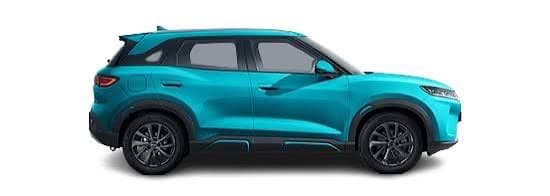
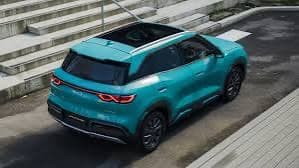
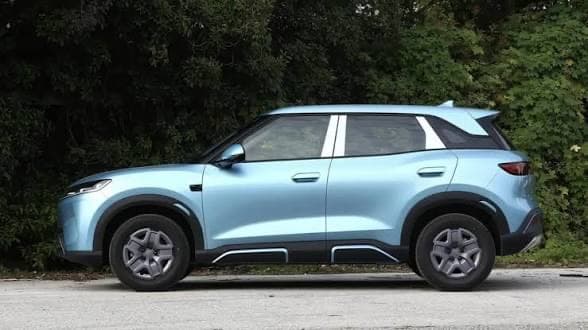
For Sale : EV BYD Atto 2 - 2023, 50000KM, SUV, 5 Seats
$35,000NegotiablePrice Excl. GST
Seller
Freo E-Cruisers Carlingford
See all listings from this shop →
Log in to contact sellerDescriptioni
Written, viewed and saved by the seller -- eRideList doesn't verify any of it for accuracy. The buyer is responsible for checking it against the item itself before committing.
i
Written, viewed and saved by the seller -- eRideList doesn't verify any of it for accuracy. The buyer is responsible for checking it against the item itself before committing.
EV BYD Atto 2 2023 – 50,000 km, SUV, 5 seats. Fully functional, used vehicle in good condition. Battery range: [range km] per charge. Charging time from 0% to 80%: [time]. Recent service records available: [service details]. The interior is clean, seats and dashboard are original. No accidents or damage. The car has a [number] year warranty still in place. Comes with original keys, spare keys, and all necessary registration documents. Perfect for commuters or families seeking a reliable electric SUV. Feel free to contact for a test drive and further details.
📍 BONDI, NSW 2026
Detailsi
Every detail below was entered and selected by the seller -- eRideList doesn't verify any of it for accuracy. Check anything that matters to you -- features, brand, model, warranty, expiry and so on -- against the item itself before you commit.
i
Every detail below was entered and selected by the seller -- eRideList doesn't verify any of it for accuracy. Check anything that matters to you -- features, brand, model, warranty, expiry and so on -- against the item itself before you commit.
- Brand
i
The manufacturer, e.g. Tesla, MG, BYD.
- BYD
- Model
i
The specific model name or variant, e.g. Model 3, MG4.
- Atto 2
- Build Year
i
The vehicle's year of manufacture (on the compliance plate) -- this can differ from the model year it was originally advertised as.
- 2023
- Odometer (in km)
i
The distance travelled, as currently shown on the vehicle's odometer.
- 50,000
- Est. Range (km)
i
The car's current estimated range — the official on-paper figure if it's still accurate, or your own best estimate as the seller if not. For a used car this should normally be lower than the manufacturer's original as-new/brand-new rated figure, since a battery loses some capacity over time and distance driven — entering the original brand-new spec on a used car overstates what a buyer will actually get. For a genuinely new or demo car, the original manufacturer-rated figure is the right number to use.
- 400
- Range Variant
i
As the manufacturer sold it. Leave blank if it was only offered one way.
- Standard Range
- Battery Capacity (kWh)
i
Usable or total pack size, as published on the manufacturer spec sheet. Leave blank if unsure.
- 51
- Battery Warranty Expiry
- Aug 2030
- Car Warranty Expiry
- Aug 2028
- Battery health (SoH %)
i
State of Health is the battery's remaining usable capacity against when it was new — a 2019 EV might read 90%. It is the number used-EV buyers ask about most. Independent tests are available in Australia from RedBook Inspect, mycar and AVILOO-certified testers.
State of health from the car's own display or a test report.
- 94
- Battery health report
i
What backs up the Battery health (SoH %) figure above. Independent test report: a third party (e.g. RedBook Inspect, mycar, AVILOO-certified tester) has assessed the battery and you can produce the report. Manufacturer/dealer report: the carmaker or a dealer ran their own diagnostic and gave you a report. Reading from car display only: just the number shown on the dash or infotainment -- not a formal test. Not tested: no health check has been done.
- Reading from car display only
- Self-driving feature
i
Assisted self-drive covers the lane-keeping, adaptive cruise and self-parking systems most new EVs ship with — the driver stays responsible at all times. Full Self-Driving is the manufacturer's higher-tier package (Tesla FSD, BYD God's Eye, XPENG XNGP and similar); in Australia it is still a supervised driver-assistance system, not an autonomous car. Either can be tied to a paid subscription that does not always transfer with the vehicle.
Driver assistance fitted to this car, if any.
- Assisted self-drive (ADAS)
- Subscription required?
i
Say Yes if the buyer has to keep paying for it. Check whether the licence transfers with the car.
- No
- Wheel Size
i
The wheel diameter fitted, in inches -- a larger wheel generally means a firmer ride and pricier tyres to replace.
- 19"
- Body Type
i
The car's body style, e.g. Hatch, SUV, Sedan.
- SUV
- # Seats
i
The number of seats fitted, including the driver's.
- 5
- Colour
i
The vehicle's exterior colour.
- Blue
- Drivetrain
i
FWD (Front-Wheel Drive) — the front wheels only are driven. RWD (Rear-Wheel Drive) — the rear wheels only are driven; common on EVs since a single rear motor is the simplest, cheapest layout. AWD / 4WD (All-Wheel/4-Wheel Drive) — all four wheels are driven, usually via a motor on each axle (front and rear) rather than a mechanical 4WD system — this is what gives most performance and off-road-capable EVs, PHEVs and hybrids their dual-motor setup. Go by what the specific model is fitted with rather than assuming from the powertrain: a PHEV or hybrid can be FWD, RWD or AWD just like a full EV, since this describes which wheels get power, not whether the car runs on electricity, petrol, or both.
- FWD
- Motor
i
How many electric drive motors the car has. Single usually means one motor driving one axle (often the setup behind a FWD or RWD base model). Dual means one motor per axle (front and rear) — the standard way EVs get All-Wheel Drive, and it's also what gives most AWD EVs extra combined power over the single-motor version, not just better traction. Triple adds a second rear motor alongside the front one, used on some high-performance flagship models for the sharpest acceleration and torque vectoring. Check the model's spec sheet or compliance plate if unsure — it's usually tied directly to whether the car is FWD/RWD (single) or AWD (dual/triple).
How many drive motors the car has. Dual/Triple setups are what give most AWD EVs their extra power and traction.
- Single
- Max Charging Speed (kW)
i
The fastest rate, in kilowatts, the car can accept from a DC fast charger — its peak charging curve, not the speed at every point during a charge (most EVs taper down well before 80%). This is a spec of the car itself, separate from AC home/destination charging speed, and is usually listed on the manufacturer's spec sheet as "max DC charging" or "peak charging rate". A higher number generally means a shorter top-up time on a fast enough public charger, but only if the charger itself can supply that rate.
The car's peak DC fast-charging rate, if known — usually on the manufacturer spec sheet. Leave blank if you're not sure.
- 170
- Charging Connector
i
CCS2 is the standard DC fast-charging plug in Australia. Pick Type 2 (AC only) if this car doesn't DC fast charge at all.
- CCS2
- Features
- Sunroof
i
A glass panel in the roof above the front seats that tilts or slides open — distinct from a Panoramic Roof below, which covers a much larger area and usually doesn't open at all. - Tinted Windows
i
Windows with a darkened film or factory tint, for privacy, heat reduction and glare. Legal tint darkness limits vary by state, so it's worth checking the level fitted is road-legal wherever the car will be driven. - Alloy Wheels
i
Wheels made from an aluminium alloy rather than plain steel — usually lighter, and the finish most cars are shown with in ads, versus the plain steel wheels a base model can ship with. - Roof Rails
i
The fixed rails running along the roof's edges that a roof rack or crossbars clip onto — without these, some roof rack systems can't be fitted to the car at all. - Leather Seats
i
Seats upholstered in leather, or a leather-look synthetic — worth confirming which with the seller, since genuine leather is usually priced and cared for differently to a synthetic alternative. - Ventilated Seats
i
Seat(s) with a built-in fan or airflow system to keep them cool in hot weather — a separate feature to Heated Seats, though plenty of cars offer both in the one seat. - Heated Seats
i
Seat(s) with a built-in heating element for cold mornings, usually with adjustable warmth — worth checking which seats it covers, since some cars only heat the front two. - Reverse Camera
i
A rear-facing camera showing what's behind the car on the dashboard screen while reversing. - 360° Camera
i
Several cameras combined into a simulated bird's-eye view of the car and its surroundings — useful for tight parking spots a single Reverse Camera can't fully show. - Parking Sensors
i
Sensors (front, rear, or both) that beep faster the closer the car gets to an obstacle while parking — a separate feature to a Reverse Camera, though many cars have both. - Adaptive Cruise Control
i
Cruise control that automatically slows down and speeds back up to keep a set following distance from the car ahead, rather than holding one fixed speed regardless of traffic. - Satellite Navigation
i
Built-in GPS navigation on the car's own screen, separate from mounting a phone on the dash — useful where mobile signal or data is unreliable. - Apple CarPlay / Android Auto
i
Mirrors a compatible phone's maps, calls, messages and music onto the car's own screen. Whether it needs a cable or works wirelessly varies by model and year, so it's worth checking which this one has. - Premium Sound System
i
An upgraded speaker system from a named audio brand (Bose, Harman Kardon, Bang & Olufsen and similar) rather than the car's standard speakers. "Premium" isn't a fixed standard, so it's worth asking which brand and how many speakers. - Keyless Entry
i
Unlocks, locks and starts the car without taking the key out of a pocket or bag — the car senses the key when it's nearby. Also called a proximity key or smart key system. - Home Charging Cable
i
The portable lead that plugs into a normal household socket, sometimes called a granny charger — the only way to charge at home without an installed wallbox. Check whether it's included with the car.
- Sunroof
- Previous Owners
i
How many registered owners the vehicle has had before this one, as best known to the seller.
- 1 (First owner)
- Service History
i
Whether a documented service record is available to back up the vehicle's maintenance history -- ask to see it rather than taking the seller's word for it.
- Full service history
- ANCAP Safety Rating
i
ANCAP (Australasian New Car Assessment Program) is Australia and New Zealand's independent vehicle safety-testing body. Not every model or model-year has been tested, and ratings can change as ANCAP's criteria get stricter over time — check ancap.com.au for this specific model and year rather than assuming.
If known for this model and year.
- 5 Stars
- Roadworthy / Safety Certificate
i
Whether a private sale needs one before the buyer can register or drive it varies by state. Victoria requires a Certificate of Roadworthiness less than 30 days old; Queensland requires a safety certificate (valid 2 months / 2,000km); the ACT and Northern Territory only require an inspection once a vehicle passes an age threshold; NSW, WA, SA and Tasmania don't require one for a private sale of an already-registered car. This is the seller's own answer, not a compliance check — check your state's rules if unsure.
- Yes — current certificate
- Seller Type
i
Whether you're dealing with a private individual or someone trading as a business — a business seller carries extra consumer-law obligations a private seller doesn't.
- private
- Contact Channel
i
How buyer and seller get in touch about this ad. eRideList Chat is always on so every seller can be messaged in-app; tick any others you're happy to use too -- ticking Phone/SMS/WhatsApp/Shop/Website reveals the matching field below to fill in, and only what you tick is shown on the listing.
- eRideList Chat
i
eRideList's own in-app messaging. This one is always on for every listing, whatever else is ticked here, so a buyer can always message the seller this way even if every other contact option is turned off. - WhatsApp
i
A buyer can message the seller on WhatsApp, using the phone number on the listing. That number needs to actually have a WhatsApp account set up on it, not just be any phone number, or a message sent there won't arrive. - Phone
i
A buyer can call the seller's phone number directly — handy when a quick conversation is easier than typing everything back and forth.
- eRideList Chat
- Payment Method
i
What you're willing to accept from a buyer -- tick as many as apply. This is just a statement of preference shown on the listing, not a payment integration, so the buyer still pays you directly however you arrange it between yourselves.
- PayID
i
An instant transfer to a bank account using a phone number or email instead of BSB/account details, and it shows the receiving account's name before the payment is sent — a useful check that the right person is on the other end. It's normally real-time, but banks can still hold or flag an unusually large payment for fraud checks, so for a high-value item (like a car), it's worth confirming the money has actually landed in the account — not just a payment-sent screenshot — before the keys and any paperwork change hands. - Cash
i
Settles instantly with no bank delay, fees, or chargeback risk, but carries the opposite risk: no paper trail if something goes wrong, and a safety consideration when a large amount changes hands. For a higher-value item, meeting somewhere safe and well-lit (a bank branch, a police-checked safe exchange point, or a busy public place) and checking for counterfeit notes on a large sum is worth the extra step. - Bank Transfer - BSB
i
A standard transfer to a BSB and account number. Many banks show it as "pending" for a while, and can hold a large transfer for up to 24 hours (sometimes longer) before it's cleared and irreversible — and a daily transfer limit may stop the full amount going through in one go, which is worth checking upfront for a big-ticket item. Best to wait until the funds have genuinely cleared — not just a bank app screenshot — before the item, keys, or any registration/ownership paperwork change hands.
- PayID
Staying safe on eRideList
If you're buying
- Reviewed before publishing. Every listing is checked by our team before it goes live.
- Meet in a public place in daylight, and bring someone if you can.
- Take it for a test drive, and check the service history against what's listed.
- Check the rego and VIN match the ad, and run a PPSR check for money owing or a written-off history.
- Ask to see the purchase receipt or service records if a warranty is claimed — you'll usually need it as proof to make a claim later.
- Never pay a deposit before seeing the item, and never pay by gift card or crypto. A seller who insists on those is a scam.
- Keep the conversation here — a seller pushing you to another app is a common way scams start.
If you're selling
- Wait for the money to land. A payment screenshot, a confirmation email or a “pending” transfer is not payment. Check your own account balance before the item leaves your hands.
- Be suspicious of anyone who overpays and asks for the difference back, or who wants to pay through a service you have not heard of. Both are standard refund scams.
- Meet in a public place, and have someone with you. Avoid inviting strangers to your home, and never hand over keys before you have seen a licence.
- Wipe the car before you hand it over. Unpair your phone, clear the saved addresses in the navigation, factory reset the infotainment, and remove the car from your manufacturer app account — otherwise the new owner has your home address, and you may still be able to unlock it.
- Go with the buyer on the test drive, and check they hold a current licence first. Your insurance may not cover a stranger driving alone.
- Lodge a notice of disposal with your state road authority as soon as it sells, or their fines and tolls stay yours.
- Do not send copies of your licence, passport or bank statements to a buyer. No genuine private sale needs them.
Seller
Freo E-Cruisers Carlingford
See all listings from this shop →
Log in to contact sellerStaying safe on eRideList
If you're buying
- Reviewed before publishing. Every listing is checked by our team before it goes live.
- Meet in a public place in daylight, and bring someone if you can.
- Take it for a test drive, and check the service history against what's listed.
- Check the rego and VIN match the ad, and run a PPSR check for money owing or a written-off history.
- Ask to see the purchase receipt or service records if a warranty is claimed — you'll usually need it as proof to make a claim later.
- Never pay a deposit before seeing the item, and never pay by gift card or crypto. A seller who insists on those is a scam.
- Keep the conversation here — a seller pushing you to another app is a common way scams start.
If you're selling
- Wait for the money to land. A payment screenshot, a confirmation email or a “pending” transfer is not payment. Check your own account balance before the item leaves your hands.
- Be suspicious of anyone who overpays and asks for the difference back, or who wants to pay through a service you have not heard of. Both are standard refund scams.
- Meet in a public place, and have someone with you. Avoid inviting strangers to your home, and never hand over keys before you have seen a licence.
- Wipe the car before you hand it over. Unpair your phone, clear the saved addresses in the navigation, factory reset the infotainment, and remove the car from your manufacturer app account — otherwise the new owner has your home address, and you may still be able to unlock it.
- Go with the buyer on the test drive, and check they hold a current licence first. Your insurance may not cover a stranger driving alone.
- Lodge a notice of disposal with your state road authority as soon as it sells, or their fines and tolls stay yours.
- Do not send copies of your licence, passport or bank statements to a buyer. No genuine private sale needs them.